
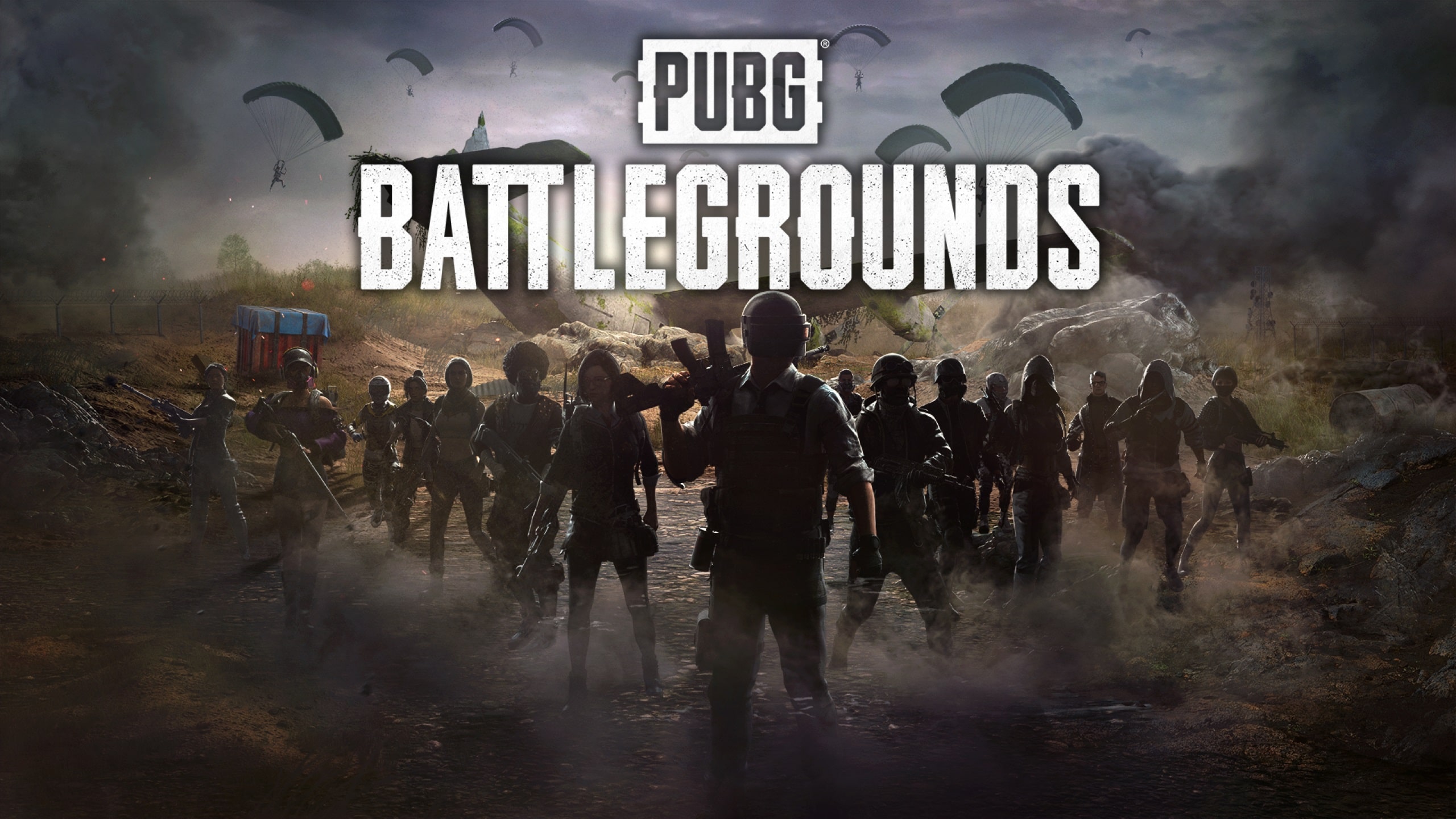
PlayerUnknown’s Battlegrounds, more commonly known as PUBG, is one of the games that helped popularize the battle royale genre worldwide. Since its release, PUBG has attracted millions of players with its realistic combat mechanics, large open maps, and intense survival-based gameplay. Unlike fast-paced arcade shooters, PUBG emphasizes strategy, positioning, and decision-making just as much as shooting skills. Each match drops players into a vast environment where survival depends on smart looting, movement, and awareness of both enemies and the shrinking play zone. PUBG can feel overwhelming to new players due to its realism and unforgiving mechanics, but understanding the basics makes the experience far more enjoyable. From choosing where to land to knowing when to fight or hide, every decision matters. This guide breaks down PUBG in a beginner-friendly way, covering core gameplay, maps, modes, weapons, and essential strategies. Whether someone is new to battle royale games or transitioning from more casual shooters, this article provides a solid foundation for understanding PUBG.
Core Gameplay Mechanics and Objective
The main objective in PUBG is simple: be the last player or team standing. However, achieving that goal requires much more than quick reflexes. PUBG matches begin with players parachuting onto a large map, where they must quickly find weapons, armor, and supplies.
The map gradually shrinks due to a “safe zone” mechanic. Players outside the safe zone take damage, forcing movement and increasing encounters as the match progresses. This mechanic prevents camping and keeps matches dynamic.
PUBG focuses on realism. Weapons have recoil patterns, bullet drop, and different damage ranges. Players must manage inventory carefully, choosing which items to carry and which to leave behind.
Healing and boosting items play a critical role. Knowing when to heal, boost, or reposition can determine survival in late-game situations.
In many online battle royale gaming strategies, PUBG is described as a thinking player’s shooter. Success depends on planning, patience, and situational awareness rather than constant action alone.
Game Modes and Match Types in PUBG
PUBG offers multiple game modes to suit different playstyles. The most common formats are solo, duo, and squad modes. Solo mode focuses on individual survival, while duo and squad modes emphasize teamwork and communication.
Perspective also changes gameplay. PUBG allows players to choose between first-person (FPP) and third-person (TPP) perspectives. FPP offers a more immersive and competitive experience, while TPP provides better situational awareness.
Ranked and unranked matches serve different purposes. Ranked mode is more competitive and skill-based, while unranked matches allow players to practice and experiment.
PUBG also introduces limited-time modes and special events. These modes often modify rules or introduce new mechanics, keeping gameplay fresh.
In many competitive gaming insights hub discussions, variety in modes is seen as one of PUBG’s strengths. Players can choose how intense or casual their experience will be.
Understanding PUBG Maps and Environments
Maps play a huge role in PUBG strategy. Each map has unique terrain, climate, and pacing that affect gameplay decisions.
Erangel, the original map, offers balanced gameplay with open fields, towns, and military zones. It is often recommended for beginners because of its predictable flow.
Miramar is a desert map with wide open spaces and long-range combat. Positioning and vehicle use are critical here due to limited cover.
Smaller maps like Sanhok or Karakin focus on faster action and close-range encounters. These maps are good for practicing combat skills but allow less room for passive play.
Understanding map layouts, loot density, and common drop zones helps players plan safer landings and rotations.
In many online battle royale gaming strategies, map knowledge is described as a major advantage. Familiarity with terrain often outweighs raw shooting skill.
Weapons, Loot, and Loadout Basics
Looting efficiently is essential in PUBG. Players must quickly find weapons, armor, helmets, backpacks, and medical supplies after landing.
Weapons are divided into categories such as assault rifles, sniper rifles, SMGs, shotguns, and pistols. Each serves a different purpose depending on range and playstyle.
Attachments significantly improve weapon performance. Scopes, grips, magazines, and muzzle attachments can reduce recoil and improve accuracy.
Armor quality matters. Higher-level helmets and vests reduce damage and increase survivability. However, they also degrade as they absorb damage.
Inventory management is critical. Carrying too many unnecessary items can slow looting and decision-making during combat.
In many competitive gaming insights hub guides, efficient looting is described as a survival skill. The faster players gear up, the better prepared they are for encounters.
Survival Strategies for Early, Mid, and Late Game
PUBG matches can be divided into three phases: early, mid, and late game. Each phase requires a different mindset.
In the early game, survival depends on landing choices and quick looting. Avoiding crowded drop zones reduces early eliminations for beginners.
The mid-game focuses on positioning and rotation. Players must move safely toward the safe zone while avoiding unnecessary fights.
Late-game situations are intense and tactical. The shrinking zone forces players into close proximity, making cover, patience, and timing essential.
Sound awareness becomes critical in the late game. Footsteps, gunshots, and vehicle noise provide valuable information.
In many online battle royale gaming strategies, adapting playstyle to each phase is described as the key to consistent improvement.
Common Beginner Mistakes and How to Avoid Them
New players often make predictable mistakes that lead to early losses. One common error is engaging in fights too early without proper equipment.
Another mistake is staying outside the safe zone too long. Damage from the zone increases over time and can quickly become deadly.
Beginners also tend to loot excessively, spending too much time in one area. This increases the risk of ambush and reduces awareness.
Poor positioning is another issue. Standing in open areas or running without cover makes players easy targets.
Learning from losses is essential. PUBG has a steep learning curve, and improvement comes through experience and reflection.
In many competitive gaming insights hub discussions, patience is emphasized. PUBG rewards smart decisions more than aggressive rushing.
Conclusion
PUBG remains one of the most influential and challenging battle royale games available, offering a blend of realism, strategy, and intense survival gameplay. For beginners, understanding the core mechanics, game modes, and map dynamics is essential for enjoying the experience and improving performance. From careful landing choices and efficient looting to smart rotations and late-game patience, PUBG rewards thoughtful decision-making at every stage of a match. While the learning curve can feel steep, consistent practice and awareness lead to steady improvement. Avoiding common mistakes, learning weapon behavior, and adapting strategies to different maps help players survive longer and play more confidently. PUBG is not just about shooting—it is about timing, positioning, and knowing when to engage or retreat. With the right mindset and foundational knowledge, new players can turn early struggles into rewarding victories and fully appreciate what makes PUBG a standout title in the battle royale genre.


 0
0
 0
0