
Starting a beauty blog is one of the most exciting ways to share skincare knowledge, makeup tips, product reviews, and personal style inspiration. Beauty blogging has grown far beyond casual hobby writing—it is now a creative space where people build communities, influence trends, and even create income opportunities through brand partnerships and affiliate marketing. However, many beginners underestimate what it takes to build a beauty blog that stands out in a crowded online space. A successful beauty blog requires more than posting random product reviews. It needs a clear niche, consistent content, honest writing, strong visuals, and a long-term strategy for growth. Readers are drawn to bloggers who feel relatable, trustworthy, and genuinely helpful. Whether someone wants to blog about skincare routines, budget beauty, K-beauty trends, or makeup tutorials, the foundation remains the same: authenticity, structure, and consistent effort. This article explains how to start a beauty blog step by step, including choosing a niche, setting up platforms, creating content, building credibility, and growing an audience over time.
Choose a Clear Beauty Niche That Matches Your Strengths
A beauty blog becomes easier to grow when it has a clear niche. Beauty is a broad topic, and beginners often try to cover everything at once—skincare, makeup, haircare, nails, fashion, and lifestyle. This can make the blog feel unfocused.
A niche helps attract the right audience. For example, some blogs focus on budget skincare, sensitive skin routines, cruelty-free products, acne care, or minimalist makeup. Others specialize in K-beauty, luxury beauty, or natural beauty.
Choosing a niche also helps content planning. It becomes easier to create article series, product comparisons, and recurring themes that readers can follow.
A good niche should match both interest and experience. A blogger does not need to be a professional, but they should be consistent and honest about their perspective.
In many health and beauty blogging starter guide resources, niche clarity is described as the first real step to building a blog that feels trustworthy and memorable.
Set Up Your Blog Platform and Branding Basics
Once the niche is clear, the next step is choosing a platform. Many beauty bloggers use WordPress, Blogger, or Wix depending on budget and technical comfort. WordPress is often preferred for long-term growth because it offers flexibility and SEO control.
A blog also needs a domain name that is easy to remember. It should match the beauty niche and be simple enough for people to type and share.
Branding matters even for beginners. A consistent color palette, logo style, and writing tone make the blog look more professional. This does not need to be expensive—simple design choices create a polished impression.
A clean blog layout is essential. Readers should be able to find categories easily, navigate articles smoothly, and read without distractions.
In many practical content creation insights, branding is described as a trust signal. Even small design improvements make a blog feel more credible and enjoyable to follow.
Create Content That People Actually Search For
A beauty blog grows faster when it creates content that matches what people are searching online. Many beginners write only about what they personally want to share, but search-based content attracts new readers consistently.
Examples of high-demand beauty blog topics include skincare routines, product comparisons, ingredient breakdowns, “how to” guides, and seasonal skincare tips. Tutorials and beginner-friendly explanations also perform well.
Keyword research helps. Bloggers can use tools like Google autocomplete, Pinterest search, and free SEO tools to discover what people want to know. Titles should reflect real search terms.
Evergreen content is especially valuable. Articles like “how to build a skincare routine” or “best sunscreen for oily skin” can bring traffic for years.
In many health and beauty blogging starter guide discussions, search-based content is described as the fastest way to grow a blog without relying only on social media.
Build Trust With Honest Reviews and Responsible Advice
Trust is the currency of beauty blogging. Readers return when they feel the blogger is honest, transparent, and not just promoting products for money.
Product reviews should include both pros and cons. Even if a product is popular, it may not work for every skin type. Being honest helps readers make informed decisions.
It is also important to avoid making medical claims. Skincare can support healthy skin, but bloggers should avoid promising cures for acne, eczema, or other skin conditions.
Transparency about sponsorships and affiliate links matters. Readers respect bloggers who disclose partnerships clearly and recommend products based on real experience.
Sharing personal routines can be helpful, but it should be presented as personal experience rather than universal advice.
In many practical content creation insights, credibility is described as the long-term strategy. A blog may grow slowly at first, but trust creates loyal readers over time.
Use Photos, Video, and Visual Consistency to Stand Out
Beauty is a visual niche. High-quality images make a blog more engaging and professional, even if the blogger is working with a basic phone camera.
Good lighting is more important than expensive equipment. Natural daylight near a window often produces the best results for skincare and makeup photography.
Consistency also matters. Using similar backgrounds, editing style, and framing helps the blog look polished and recognizable.
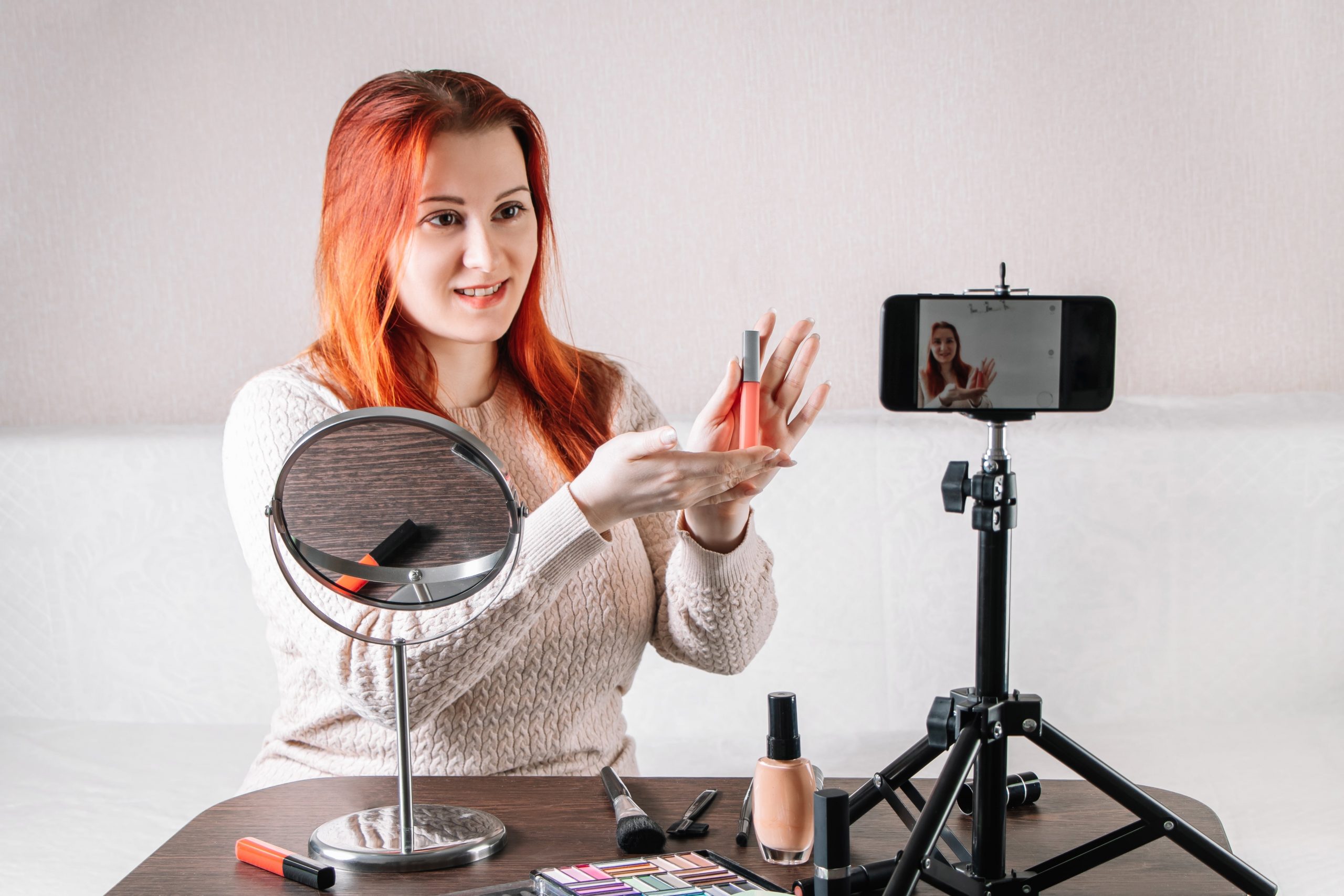
Some bloggers also use short videos for tutorials, product demonstrations, and skincare routines. These can be posted on platforms like Instagram, TikTok, or YouTube to drive traffic back to the blog.
Pinterest is another powerful tool for beauty bloggers because it works like a visual search engine. Creating blog-friendly graphics increases click-through rates.
In many health and beauty blogging starter guide resources, visuals are described as a growth multiplier. They increase engagement and make content easier to share.
Grow Your Audience With SEO, Social Media, and Consistency
Growing a beauty blog requires patience. Many blogs fail not because the content is bad, but because the blogger stops too early.
Consistency is essential. Posting regularly—whether weekly or biweekly—builds momentum. Readers and search engines both respond to active blogs.
SEO helps long-term growth. Using keywords naturally, writing clear headings, and linking related posts improves visibility in search results.
Social media helps with faster exposure. Instagram, TikTok, and Pinterest are especially effective for beauty content. However, bloggers should avoid spreading themselves too thin. One or two platforms are enough at the beginning.
Engaging with readers also supports growth. Replying to comments, answering questions, and listening to feedback builds community.
In many practical content creation insights, growth is described as a long-term process. Beauty blogging success comes from steady effort, not viral luck.
Conclusion
Starting a beauty blog is both a creative project and a long-term commitment that rewards consistency, authenticity, and strategic planning. By choosing a clear niche, setting up a professional platform, and creating content that people actively search for, beginners can build a strong foundation for growth. Trust is essential, especially in beauty content, so honest reviews, responsible advice, and transparency about partnerships help establish credibility. Strong visuals and consistent branding make a blog more engaging, while SEO and social media support steady audience growth over time. Most importantly, beauty blogging success depends on patience. A blog may not gain large traffic immediately, but consistent posting and continuous improvement create momentum. With the right balance of creativity and strategy, a beauty blog can become a meaningful space for sharing knowledge, building community, and even creating opportunities for income. When approached with care and authenticity, beauty blogging becomes more than content—it becomes a personal brand and a lasting creative outlet.


 0
0
 0
0