
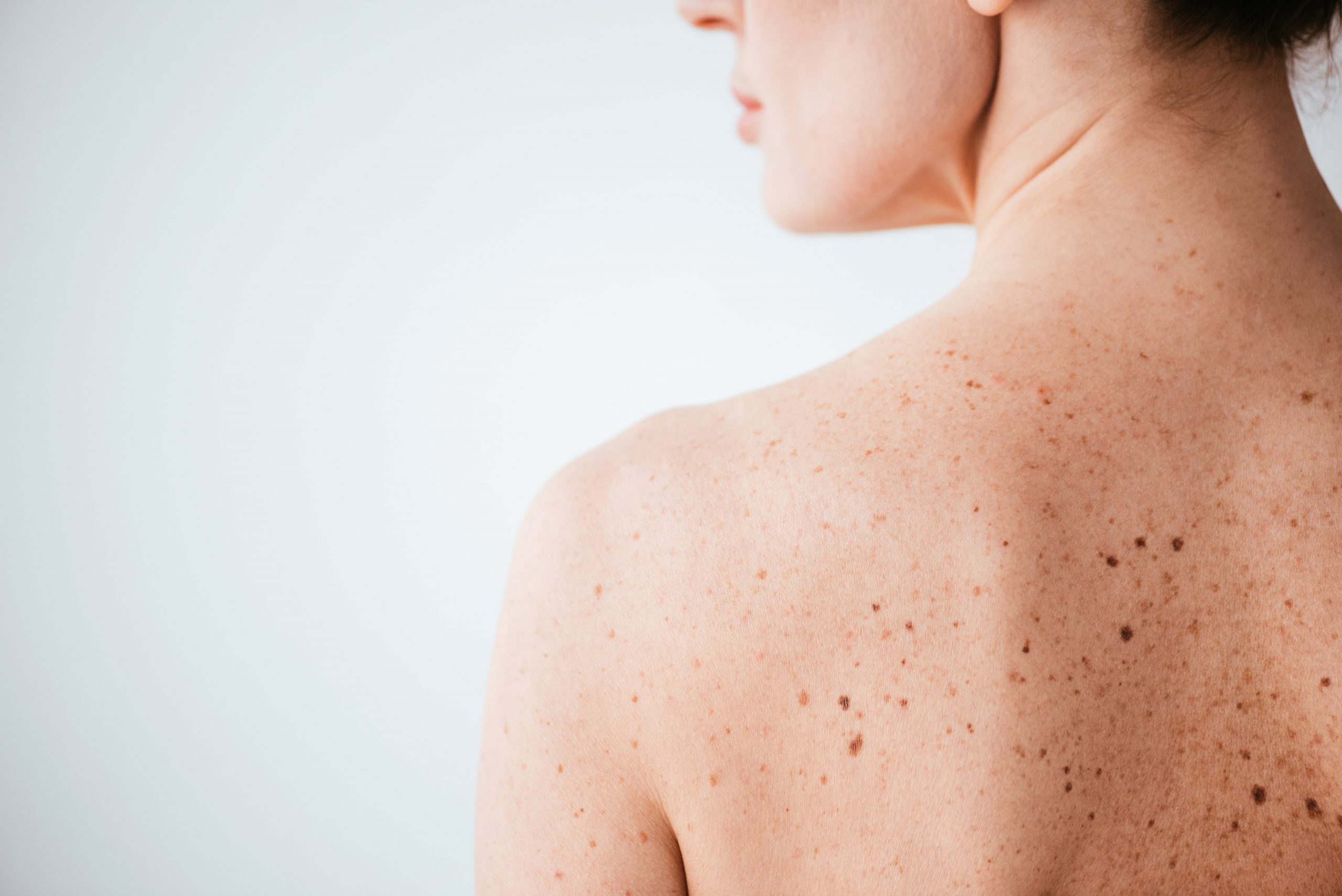
Skin diseases affect millions of people worldwide and can appear at any age, regardless of gender or lifestyle. The skin is the body’s largest organ and serves as a protective barrier against environmental threats, which makes it vulnerable to infections, inflammation, allergies, and chronic conditions. Some skin diseases are mild and temporary, while others may be long-term and require ongoing management. Skin conditions can affect not only physical comfort but also emotional well-being and self-confidence. Redness, itching, rashes, dryness, discoloration, or changes in texture are often the first signs that something may be affecting skin health. While some conditions are influenced by genetics, others are triggered by environmental factors, immune responses, or lifestyle habits. Understanding the different types of skin diseases helps people recognize common symptoms and seek appropriate medical advice when necessary. This article provides an overview of common skin diseases, explaining how they differ, what typically causes them, and why professional diagnosis is important. The goal is awareness, not self-diagnosis, to support healthier and more informed skin care decisions.
Inflammatory Skin Diseases
Inflammatory skin diseases occur when the immune system reacts excessively, causing redness, swelling, itching, or discomfort. These conditions are often chronic and may flare up periodically.
Examples include eczema (atopic dermatitis), psoriasis, and contact dermatitis. Eczema is commonly associated with dry, itchy skin and is often linked to allergies or genetic factors. Psoriasis involves rapid skin cell turnover, leading to thick, scaly patches.
Contact dermatitis develops when the skin reacts to irritants or allergens such as soaps, metals, or cosmetics. Avoiding triggers is often part of managing symptoms.
Inflammatory skin diseases are not contagious, but they can significantly affect quality of life. Stress and environmental factors may worsen flare-ups.
In many health and beauty skin disease awareness guide resources, inflammatory conditions are described as immune-related. Proper diagnosis helps distinguish them from infections or allergic reactions.
Infectious Skin Diseases
Infectious skin diseases are caused by bacteria, viruses, fungi, or parasites. These conditions may spread through direct contact, shared items, or environmental exposure.
Bacterial infections include impetigo and cellulitis, which may cause redness, swelling, and pain. Viral skin diseases include warts, herpes simplex, and shingles.
Fungal infections such as athlete’s foot, ringworm, and yeast infections often thrive in warm, moist environments. These conditions may cause itching, scaling, or discoloration.
Parasitic infections like scabies result from mites and can cause intense itching and rash.
In many trusted wellness knowledge insights, infectious skin diseases are described as requiring medical evaluation. Early treatment helps prevent complications and transmission.
Allergic and Hypersensitivity Skin Conditions
Allergic skin conditions occur when the immune system reacts to substances that are usually harmless. These reactions can appear suddenly or develop over time.
Common examples include hives (urticaria) and allergic contact dermatitis. Hives appear as raised, itchy welts that may change shape or location.
Allergic reactions can be triggered by food, medication, insect bites, or environmental allergens. Skin symptoms may be accompanied by swelling or discomfort.
Identifying triggers is important, but it often requires professional testing rather than guesswork. Avoidance strategies may help reduce recurrence.
In many health and beauty skin disease awareness guide discussions, allergic skin conditions are described as unpredictable. Medical guidance helps ensure safe management.
Autoimmune Skin Diseases
Autoimmune skin diseases develop when the immune system mistakenly attacks healthy skin cells. These conditions are often chronic and may require long-term medical care.
Examples include lupus-related skin conditions, vitiligo, and certain blistering disorders. Vitiligo causes loss of skin pigment, resulting in lighter patches.
Autoimmune skin diseases may affect only the skin or be associated with systemic conditions. Symptoms vary widely depending on the condition.
Because these diseases involve immune dysfunction, diagnosis often includes blood tests and specialist evaluation.
In many trusted wellness knowledge insights, autoimmune skin diseases are described as complex. Professional monitoring is essential for accurate diagnosis and management.
Genetic and Congenital Skin Disorders
Some skin diseases are inherited or present from birth. Genetic skin conditions may affect skin structure, pigmentation, or protective function.
Examples include ichthyosis, albinism, and certain birthmarks. These conditions may vary in severity and appearance.
Genetic skin diseases are not caused by lifestyle choices or environmental exposure. Management often focuses on symptom relief and skin protection.
Early diagnosis can help individuals and families understand care needs and long-term expectations.
In many health and beauty skin disease awareness guide materials, genetic conditions are described as lifelong. Supportive care and education are key components of management.
Skin Diseases Related to Lifestyle and Environment
Some skin conditions are influenced by lifestyle factors such as hygiene, diet, stress, and environmental exposure. These factors may not cause disease alone but can worsen symptoms.
Acne is one of the most common examples, influenced by hormones, oil production, and bacteria. Environmental pollution and stress may contribute to flare-ups.
Sun-related skin conditions, such as sunburn or actinic damage, develop from prolonged UV exposure. These conditions highlight the importance of sun protection.
Occupational exposure to chemicals or irritants may also lead to chronic skin problems.
In many trusted wellness knowledge insights, lifestyle-related skin diseases are described as manageable with awareness and preventive habits, along with medical advice when needed.
Conclusion
Skin diseases come in many forms, ranging from inflammatory and infectious conditions to allergic, autoimmune, genetic, and lifestyle-related disorders. Each type affects the skin differently and may require unique approaches to care and management. While some skin conditions are temporary and mild, others are chronic and may impact both physical comfort and emotional well-being. Understanding the broad categories of skin diseases helps individuals recognize symptoms early and seek appropriate professional guidance rather than relying on self-diagnosis. Skin health is influenced by genetics, immune function, environment, and daily habits, making personalized care essential. Awareness and education play a key role in reducing stigma and encouraging timely medical consultation. By learning about common skin diseases and their general characteristics, people can take informed steps toward healthier skin while respecting the importance of professional diagnosis and treatment.


 0
0
 0
0