
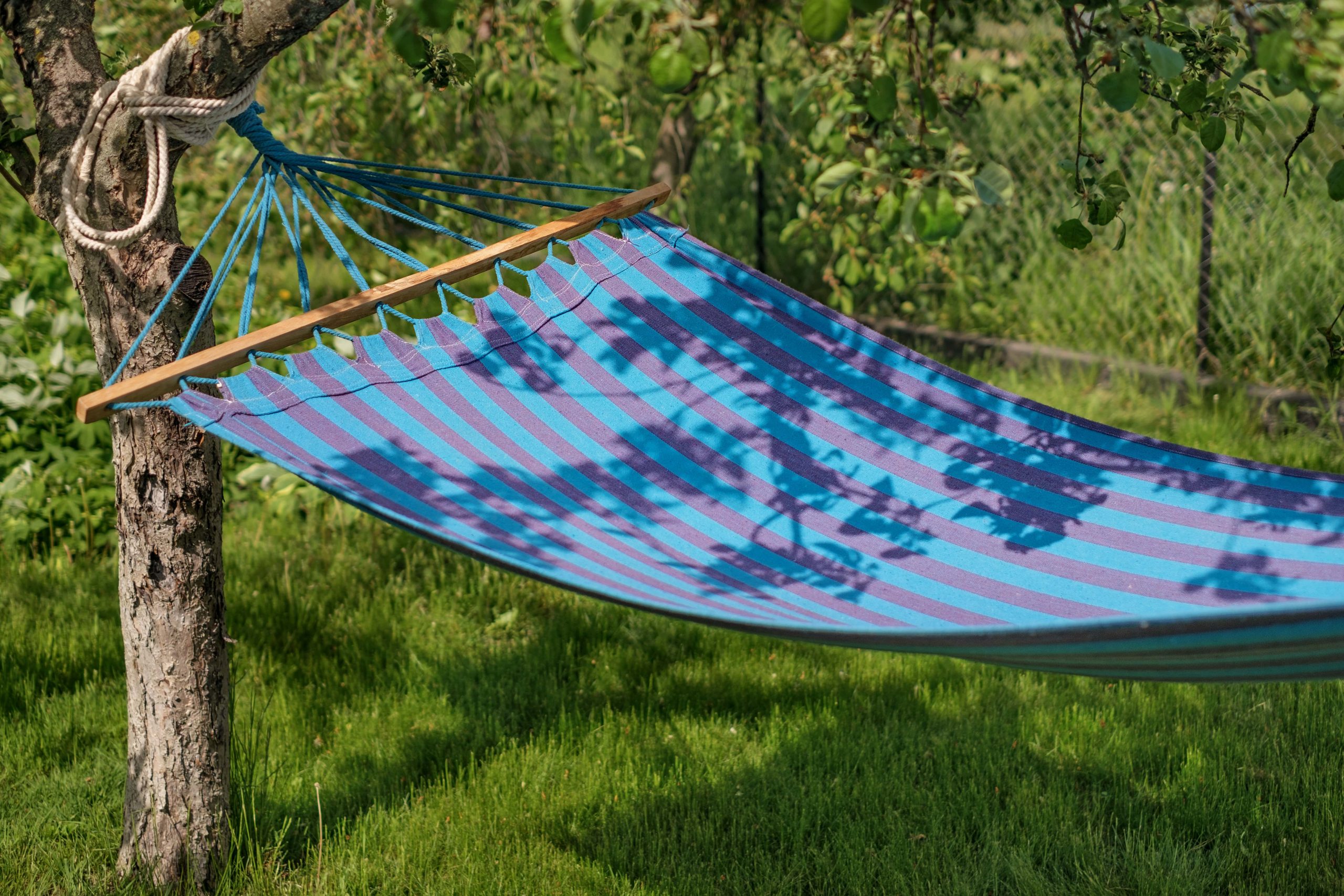
Shade gardens prove that a yard doesn’t need full sun to look beautiful. Many homes have areas where sunlight is limited due to trees, fences, walls, or building structures. These low-light spaces are often ignored or treated as “problem areas,” but with the right approach, they can become some of the most peaceful and visually appealing parts of a garden. Shade gardening focuses on choosing plants that thrive in filtered light, partial shade, or full shade while designing the space in a way that highlights texture, contrast, and natural calm. From lush leafy greens to colorful shade-loving blooms, there are plenty of options for creating a vibrant garden even without direct sunlight. A successful shade garden also requires attention to soil moisture, drainage, and plant placement since shaded areas can be cooler, wetter, and slower to dry. This article explores practical shade garden ideas, the best types of shade plants, and design strategies for turning low-light spaces into thriving outdoor features.
Understanding Shade Types: Partial Shade vs. Full Shade
One of the biggest mistakes in shade gardening is treating all shade the same. Shade levels vary depending on how much sunlight an area receives and what kind of shade it has.
Partial shade usually means the area gets about three to six hours of sunlight per day, often in the morning or late afternoon. This type of shade allows many flowering plants to grow, especially those that prefer cooler light.
Full shade means less than three hours of direct sun daily. These areas are typically under thick trees or on the north side of buildings. Full shade gardens rely more on foliage texture and shade-tolerant plants.
Dappled shade is common under trees where sunlight filters through leaves. Many shade plants thrive here because they still receive gentle light throughout the day.
Understanding shade type helps gardeners choose the right plants. A plant labeled “shade-loving” may still struggle in deep shade if it needs partial sun.
In many home and garden shade garden plant guide resources, shade assessment is described as step one. When gardeners understand light patterns, plant success becomes much easier.
The Best Shade-Loving Foliage Plants for Lush Greenery
Foliage plants are the foundation of many shade gardens. Since flowers can be limited in deep shade, leaf shape, texture, and color become the main design features.
Hostas are one of the most popular shade plants because they come in many sizes and colors, from deep green to variegated patterns. They add fullness and structure to garden beds.
Ferns are another excellent option. They thrive in moist shade and bring a soft, natural woodland feel. Their feathery texture creates movement and contrast in the garden.
Heuchera (coral bells) adds color through foliage rather than blooms. Many varieties offer purple, bronze, lime green, or silver leaves that brighten shady corners.
Caladiums are also loved for their dramatic leaf patterns, though they may need protection in colder climates.
In many practical outdoor living inspiration discussions, shade foliage plants are described as the secret to making low-light gardens look rich and layered. They create beauty without relying heavily on flowers.
Shade-Friendly Flowering Plants That Still Add Color
Even in shaded spaces, flowers are possible with the right plant choices. Many shade-tolerant blooms thrive in cooler light and bring seasonal color to the garden.
Hydrangeas are a classic choice for partial shade. They produce large, showy blooms and often perform better with some protection from harsh midday sun.
Impatiens are popular for bright, colorful flowers in shaded areas, especially in warm climates. They offer long-lasting blooms and work well in containers or garden borders.
Astilbe is another shade favorite. It produces feathery flowers and thrives in moist soil, making it ideal for shady areas with consistent moisture.
Begonias also perform well in shade and offer strong color without needing direct sun. They are often used in hanging baskets or shaded patios.
In many home and garden shade garden plant guide recommendations, flowering shade plants are described as accent pieces. They add brightness and contrast while foliage provides the structure.
Soil and Moisture Tips for Healthy Shade Gardens
Shade gardens often have unique soil conditions. Shaded areas may hold moisture longer, especially under trees or near buildings. While this can benefit certain plants, it can also lead to root rot if drainage is poor.
Improving soil quality is essential. Adding compost helps increase nutrients and improves soil structure, making it easier for roots to grow.
Mulching is also important. Organic mulch helps regulate moisture and temperature, while also reducing weeds. However, mulch should not be piled directly against plant stems.
Tree roots can compete with garden plants for water and nutrients. In heavily shaded areas under trees, gardeners may need to water more frequently and choose plants that tolerate root competition.
Drainage should be monitored. If soil stays soggy, raised beds or soil amendments may be necessary.
In many practical outdoor living inspiration guides, shade garden success is linked to soil management. The right moisture balance prevents disease and supports stronger plant growth.
Shade Garden Design Ideas That Look Intentional and Beautiful
A shade garden should feel designed, not accidental. Since shade areas can appear darker, design strategies help make the space feel open, calm, and inviting.
Using lighter-colored plants helps brighten the space. Variegated leaves, pale green foliage, and white flowers reflect light and create contrast.
Layering plants is another effective design method. Taller plants in the back, medium plants in the middle, and groundcovers in the front create depth and fullness.
Adding pathways, stones, or garden borders makes the space feel structured. Simple garden lighting can also highlight textures and create a relaxing atmosphere in the evening.
Woodland-style designs work naturally in shade. Mixing ferns, hostas, and natural stone creates a peaceful forest-inspired look.
In many home and garden shade garden plant guide discussions, design is described as essential. Shade gardens look best when they focus on texture, contrast, and calm structure.
Container Shade Gardens for Patios and Small Spaces
Shade gardening is not limited to large yards. Many people grow shade plants successfully in containers on balconies, patios, or shaded entryways.
Containers allow better control over soil quality and drainage. This is especially useful in shaded areas where soil may be poor or overly compacted.
Popular container shade plants include begonias, ferns, coleus, caladiums, and heuchera. These plants offer strong color and texture, even without sun.
Container gardens also allow flexibility. Plants can be moved to adjust light exposure or protect them from extreme weather.
Using decorative pots, hanging baskets, and layered arrangements creates visual impact in small shaded spaces.
In many practical outdoor living inspiration resources, container shade gardens are described as beginner-friendly. They provide a low-risk way to build a beautiful shade garden without major landscaping work.
Conclusion
Shade gardens can be just as vibrant and beautiful as sunny landscapes when planned with the right plants and design approach. By understanding shade types—partial, full, or dappled—gardeners can choose plants that naturally thrive in low-light conditions. Lush foliage plants such as hostas, ferns, and heuchera create structure and texture, while shade-friendly flowers like hydrangeas, impatiens, and astilbe add seasonal color. Healthy shade gardens also depend on proper soil care, moisture balance, and drainage, especially in areas where shade keeps the ground cooler and wetter. Thoughtful design strategies, such as layering plants and using lighter foliage, help shaded spaces feel intentional and inviting rather than forgotten. Even small patios and balconies can benefit from shade container gardening. With the right choices and consistent care, shade gardens become peaceful, thriving outdoor spaces that offer beauty, calm, and a refreshing alternative to sun-heavy planting.


 0
0
 0
0