
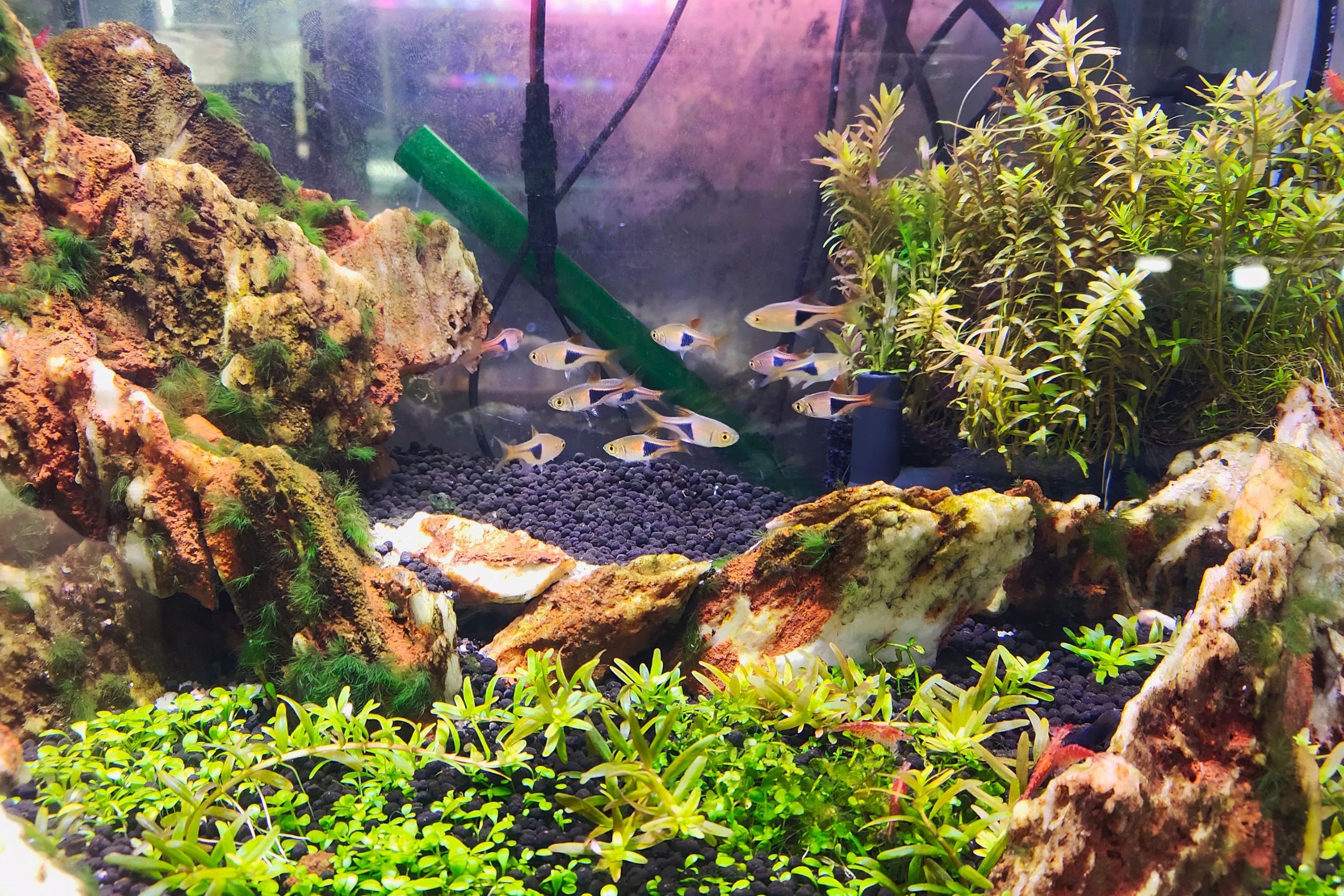
Aquascaping is more than decorating a fish tank—it is the art of creating a balanced underwater environment that supports both visual beauty and fish well-being. For many fish owners, aquascaping becomes a way to better understand their pet fish by observing how they move, hide, rest, and interact within a thoughtfully designed habitat. A well-planned aquascape mirrors natural ecosystems, offering fish comfort, stimulation, and security. Unlike basic aquarium setups, aquascaped tanks consider plant placement, substrate choice, water flow, and open swimming space to create harmony between aesthetics and function. Fish often display more natural behaviors when their environment feels safe and structured, which can reduce stress and support long-term health. Aquascaping also allows owners to connect more deeply with their aquatic pets, turning routine tank maintenance into an engaging and creative experience. This article explores how aquascaping helps owners “explore” their pet fish through design, behavior observation, and habitat planning, while promoting responsible and informed fish care.
What Aquascaping Really Means for Pet Fish
Aquascaping refers to the intentional arrangement of plants, rocks, driftwood, and substrate in an aquarium to create a natural-looking underwater landscape. While it is often admired for its visual appeal, its deeper value lies in how it supports fish behavior and comfort.
In nature, fish live among plants, roots, and terrain that provide shelter and orientation. Aquascaping recreates these conditions, helping fish feel less exposed and more secure. This sense of safety often leads to healthier activity levels and calmer behavior.
A thoughtfully designed aquascape also establishes territory. Many fish species feel less stressed when they can claim space or retreat when needed. This can reduce aggression in community tanks.
Aquascaping is not about overcrowding the tank with décor. It is about balance—providing structure while maintaining open swimming areas.
In many aquascaping techniques for pet fish care, aquascaping is described as environmental enrichment. It improves quality of life rather than simply decorating the aquarium.
How Aquascapes Influence Fish Behavior and Interaction
One of the most fascinating aspects of aquascaping is how it reveals fish behavior. When fish feel comfortable, they display more natural movement patterns, feeding habits, and social interactions.
Fish often explore planted areas, hide among rocks, or rest under leaves. These behaviors are signs of reduced stress and environmental confidence. In contrast, fish in bare tanks may show signs of anxiety, such as constant pacing or hiding in corners.
Aquascapes also help define social dynamics. Territorial fish may use rocks or plants as boundaries, reducing conflict with tank mates. Shy species benefit from visual barriers that limit constant exposure.
Breeding behavior is another area influenced by aquascaping. Many fish prefer specific surfaces or sheltered areas for spawning, which a well-designed aquascape can provide.
In many responsible pet lifestyle insights, observing behavior is described as a key part of fish care. Aquascaping turns the tank into a living environment rather than a display box.
Choosing Plants and Hardscape That Support Fish Health
Plant and hardscape selection should always prioritize fish safety and compatibility. Not all decorative items are suitable for aquariums, and poor choices can cause injury or stress.
Live plants are often preferred because they help improve water quality by absorbing nitrates and producing oxygen. Plants such as Java fern, Anubias, and Amazon sword are popular because they are hardy and fish-friendly.
Rocks and driftwood should have smooth surfaces without sharp edges. Rough décor can damage fins or scales, especially for slow-moving or long-finned species.
Plant placement also matters. Taller plants toward the back and sides create depth and hiding areas, while open foreground space allows free swimming.
In many aquascaping techniques for pet fish care, material selection is described as both aesthetic and functional. Every element should support fish comfort and water stability.
Aquascaping Styles and What They Offer Pet Fish
Different aquascaping styles offer different benefits for fish, depending on species and tank size. Understanding these styles helps owners choose what best suits their pets.
Nature-style aquascapes mimic rivers and forests with flowing layouts, driftwood, and dense planting. These setups are calming and ideal for community fish.
Iwagumi-style aquascapes focus on rock formations and open space. While visually striking, they are better suited for minimalist fish populations and require careful planning.
Jungle-style aquascapes feature dense, overgrown plants and provide excellent cover for shy or small fish. These setups closely resemble natural habitats.
Biotope aquascapes replicate specific ecosystems, such as Amazon or Southeast Asian rivers. These designs support species-specific needs and behaviors.
In many responsible pet lifestyle insights, style choice is described as a care decision. The best aquascape supports fish needs, not just visual trends.
How Aquascaping Improves Water Quality and Tank Stability
Aquascaping, especially when using live plants, can contribute positively to water quality. Plants help absorb excess nutrients that would otherwise feed algae growth.
Rooted plants also stabilize the substrate, reducing debris movement and cloudiness. This creates a cleaner and more consistent environment for fish.
Proper aquascape layout improves water flow. Strategic placement of hardscape elements allows water circulation to reach all areas of the tank, preventing stagnant zones.
Balanced aquascapes reduce stress during maintenance. Fish have places to retreat during water changes, making routine care less disruptive.
In many aquascaping techniques for pet fish care, stability is described as a hidden benefit. A healthy aquascape supports the tank ecosystem as a whole.
Exploring Your Fish Through Observation and Interaction
Aquascaping encourages owners to become observers rather than just caretakers. Watching how fish interact with their environment reveals important health and behavior cues.
Changes in swimming patterns, hiding frequency, or activity levels can indicate stress, illness, or environmental imbalance. An aquascape makes these changes easier to notice.
Owners also learn species preferences. Some fish prefer dense cover, while others thrive in open space. Adjusting the aquascape over time improves compatibility.
This ongoing interaction deepens the relationship between owner and pet fish. The aquarium becomes a shared space rather than a static display.
In many responsible pet lifestyle insights, observation is described as responsible care. Aquascaping invites attentiveness, patience, and understanding in fish keeping.
Conclusion
Aquascaping transforms fish tanks into living environments that support both beauty and well-being. By designing a balanced underwater landscape, fish owners gain deeper insight into their pet fish’s behavior, preferences, and health. Thoughtful aquascapes provide shelter, reduce stress, encourage natural movement, and support water quality, creating a more stable and enriching habitat. Choosing appropriate plants, materials, and styles ensures that aesthetics never come at the expense of safety or comfort. More importantly, aquascaping fosters mindful observation, allowing owners to notice subtle changes and respond responsibly. Rather than simply displaying fish, aquascaping invites connection and understanding, turning routine care into an engaging and rewarding experience. When approached with intention and knowledge, aquascaping becomes a powerful tool for exploring and supporting pet fish in a way that respects their natural needs while enhancing the enjoyment of aquatic life.


 0
0
 0
0